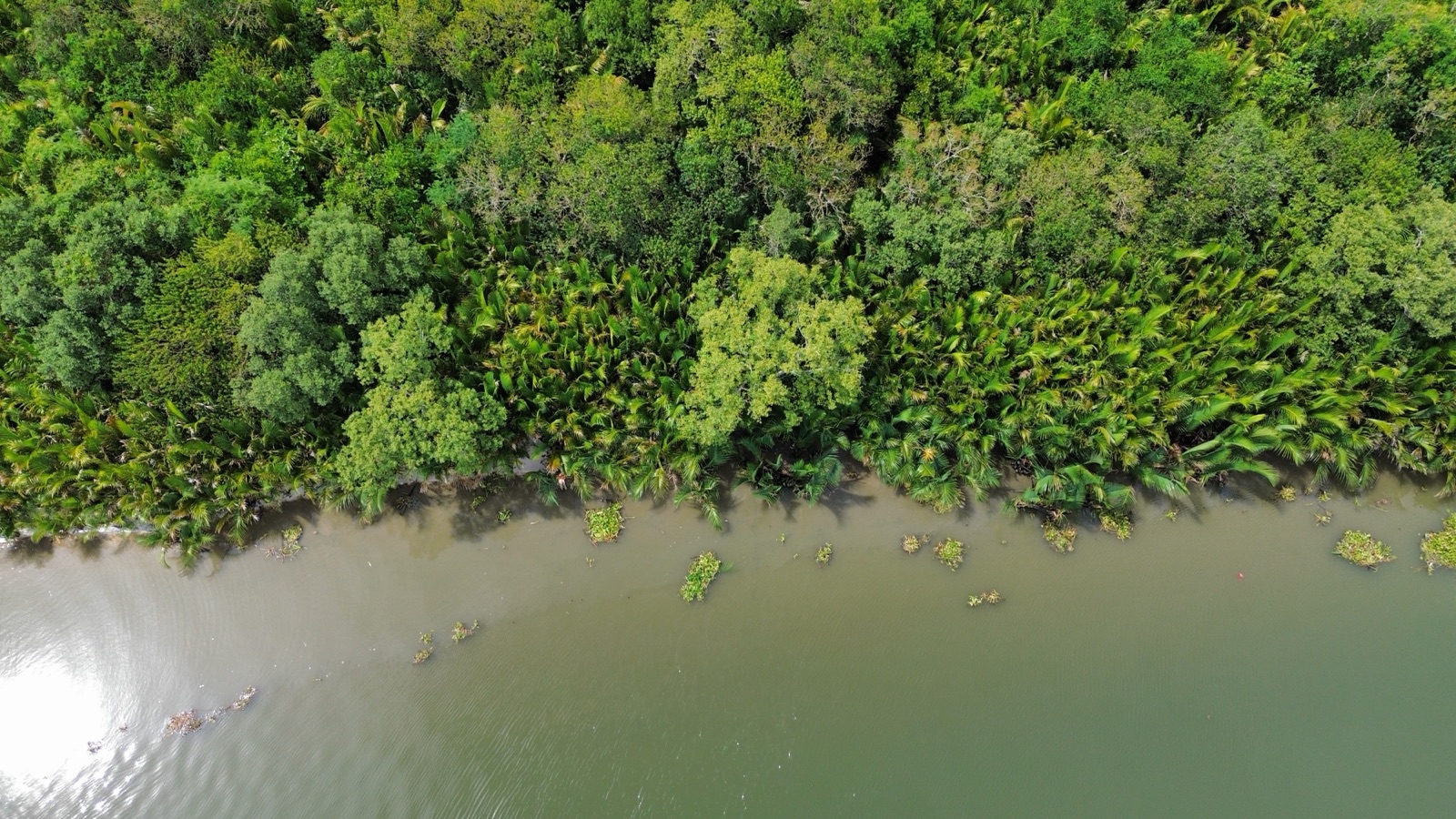
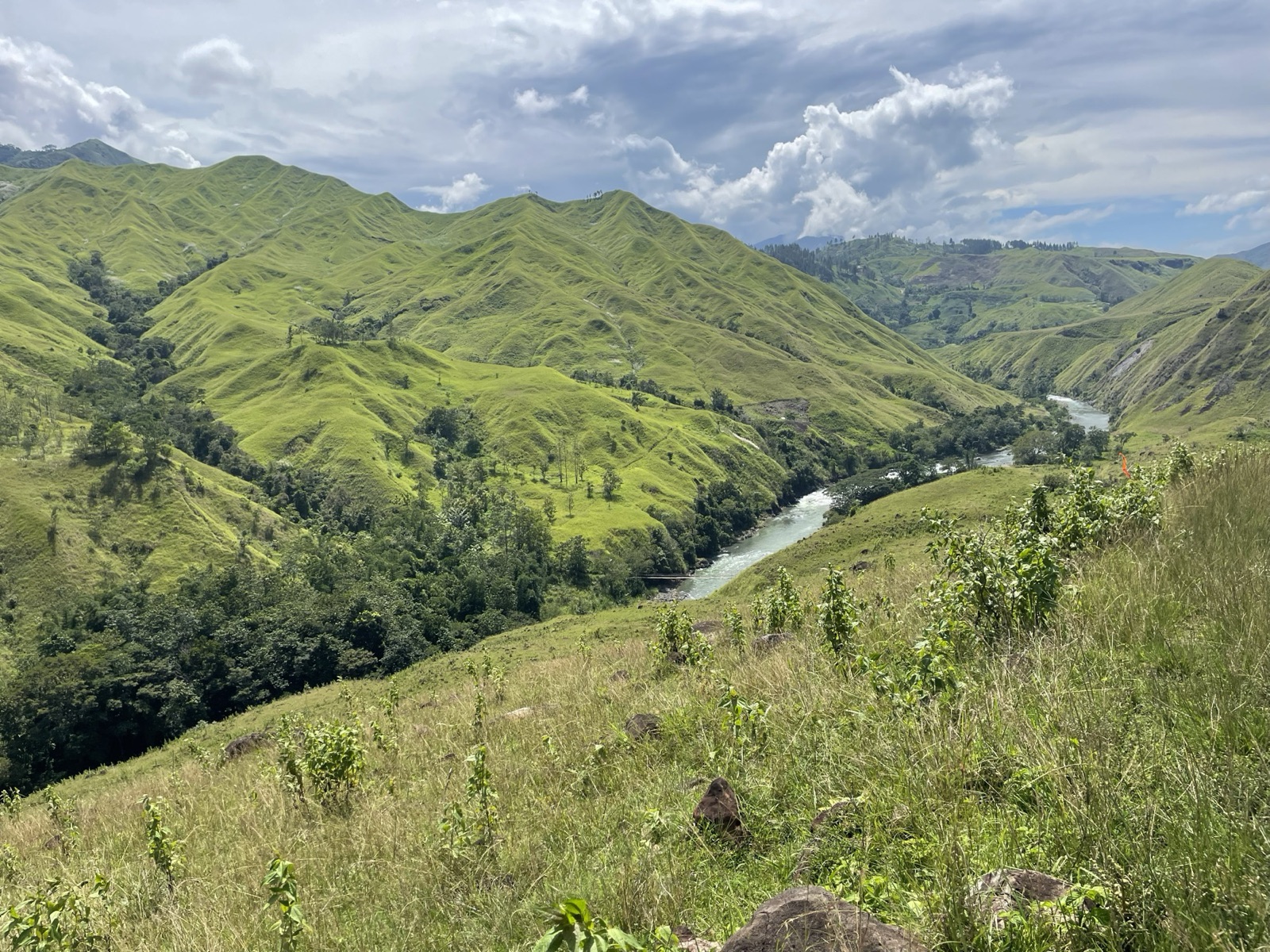
Every nature-based carbon project in East Africa is, underneath the methodology, a bet that a piece of land can earn more standing than cleared. Credits are one answer, and they arrive years after the planting. Buji Vanilla is the other answer, running live: a product that pays growers this season, from a canopy that also holds carbon.
The farms. Twenty-one smallholders grow the vanilla on mixed agroforestry plots in Nkokonjeru, on the hills above Lake Victoria, working with the Rural Agency for Sustainable Development. Vanilla is an orchid. It climbs a host tree, flowers for a few hours one morning a year, and fruits only if a person is standing there to pollinate it by hand. It cannot be grown as a monoculture at any scale that makes sense for a smallholder, so the plots stay shaded, mixed and rooted: banana, coffee, jackfruit, the vine winding up through all of it. Each bottle traces back, farm by farm, to the grower who cured the beans.
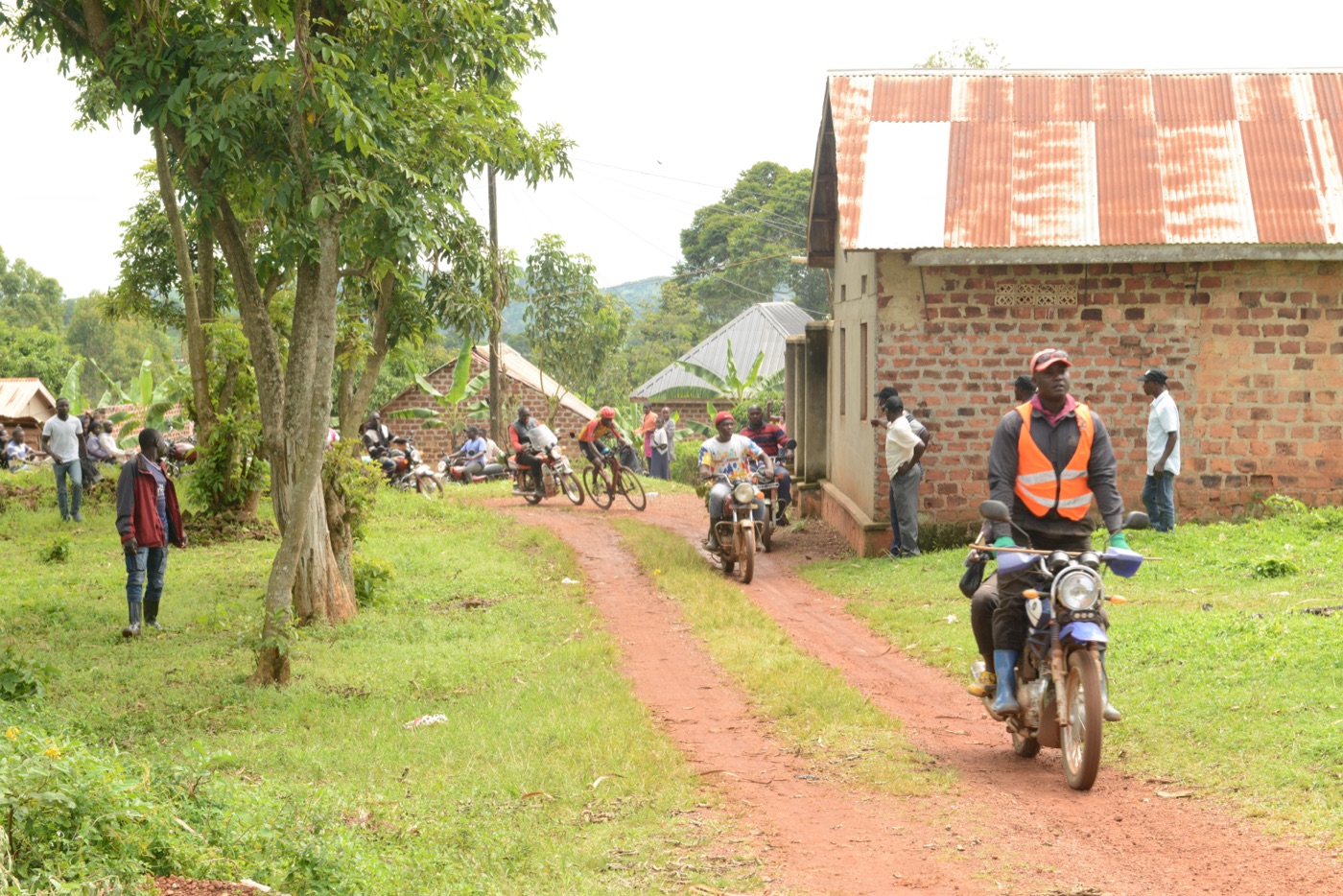
The celebration. In May 2025 the company's founders spent a week on the farms photographing every plot, then the village held a day for the growers: speeches, a truckload of wheelbarrows and bicycles as thanks, and a bicycle race through the trading centre that the growers named the Tour de Nkokonjeru. It was the day the finished products came back to the people who grew them. One grower tasted the extract and said the line the company now uses on itself: try our vanilla, it is the best.
The product that sells. Buji launched four products on Amazon in 2026: whole beans, extract, paste and a one-ounce vanilla cocktail bitters. The bitters, made with the Ugandan vanilla, orange peel and aromatic spices, now carries roughly seventy percent of revenue and converts at about fourteen percent over thirty days. The beans, the obvious product, barely move against forty-two thousand weekly searches for vanilla beans and a market that buys on price. A bottle that makes about sixty Old Fashioneds, rated 4.7 stars by its first ten Amazon reviewers, turned out to be the way to sell a farm.
The bar. The same bitters are poured at the bar of the Beverly Wilshire in Beverly Hills, which is where the founders first watched a bartender treat single-origin Ugandan vanilla as a story worth telling to a guest rather than an ingredient to hide. That is the customer the company is building toward now: the bar programme, not the baking aisle.

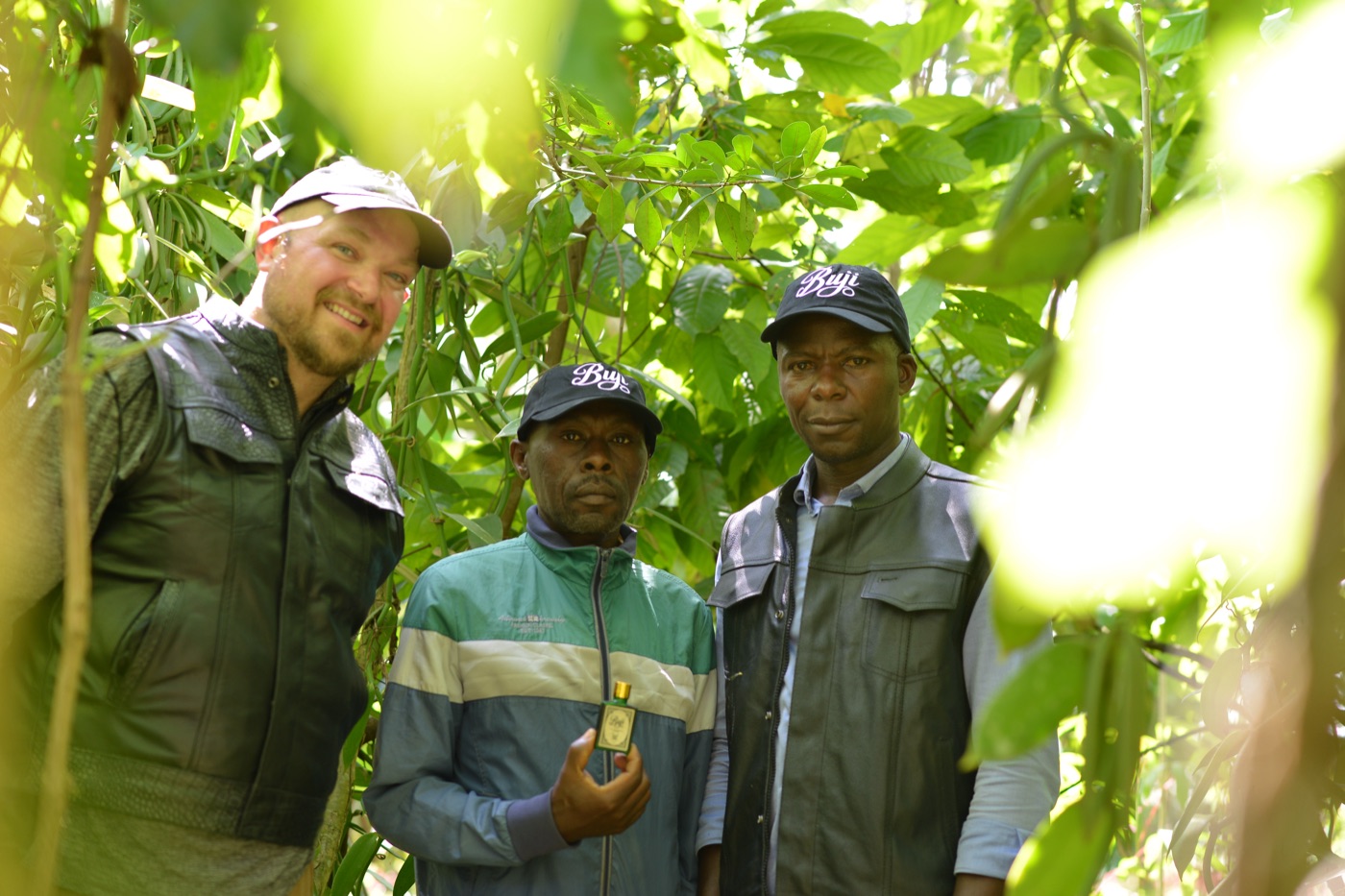
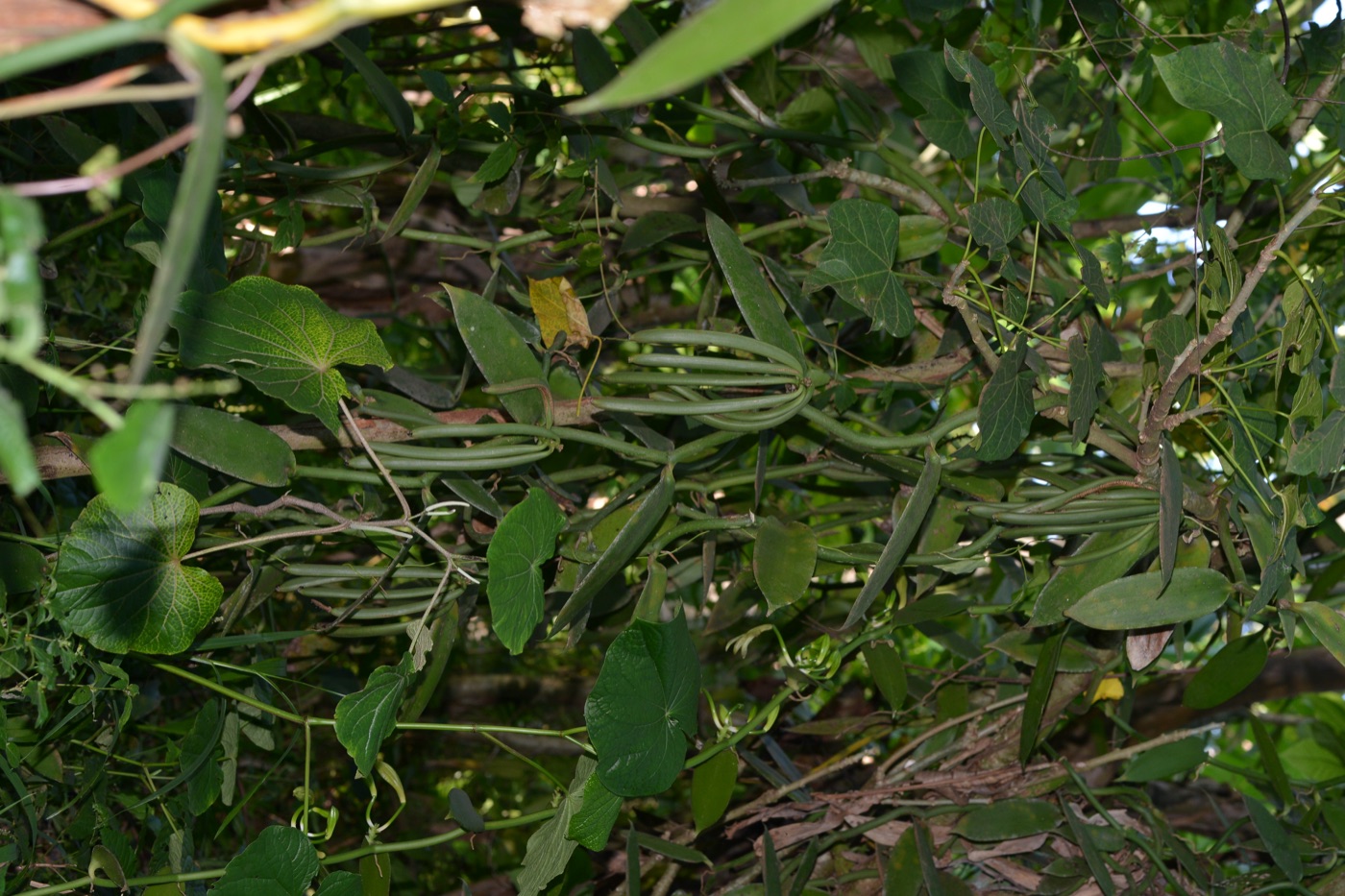
Why it belongs in a carbon briefing. Two Climate Week developments make this more than a small-business story. Verra opened applications for Scope 3 Units on 15 September, a way for a buyer to count verified value-chain interventions like agroforestry sourcing inside its own supply chain, paid as insetting rather than credits. And the Symbiosis buyers who disclosed 40 million tonnes of nature-based offtakes are asking for livelihoods evidence alongside delivery-risk analysis. A project that can show product revenue reaching named growers has an answer to both, and a photograph of each of them.
What it is not. Buji Vanilla is not a carbon project and sells no credits. Its plots are small, its volumes are small, and the Amazon economics are unforgiving: the company's ad spend ran at a loss over the summer before it cut budgets and moved to exact-match keywords. It is here because it is a rare public record of an agroforestry product business showing its numbers, its farms and its people.
- Buji Vanilla Cocktail Bitters on Amazon ↗
- Buji Vanilla brand store on Amazon ↗
- bujivanilla.com: the 21 growers, 360° plot photos and per-bottle traceability ↗
- "Try our vanilla, it is the best": the celebration-day film, May 2025 ↗
- Tour de Nkokonjeru, the bicycle race film ↗
- Trellis: Verra opens Scope 3 Units applications, 15 September 2026 ↗
- Trellis: Symbiosis Coalition offtakes ↗
Registries read daily. Stories like this one, weekly.
Every edition, the full project inventory, and the Position Check for all ten countries.
Get the free weekly read →